

How to get rid of Keratosis Pilaris naturally?
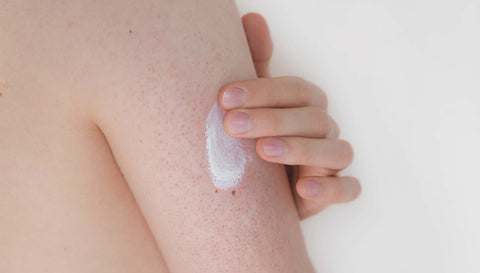
2. Apply Organic Tea Tree Cream: Moisturise with tea tree cream after showering to hydrate and soothe dry, rough patches. The cream’s nourishing ingredients, like aloe vera and shea butter, help reduce KP symptoms over time.
- When cleansing with tea tree soap, it's advisable to use warm water rather than hot water, as hot water can cause further irritation to the skin, especially for conditions like Keratosis Pilaris.
- Moisturise regularly, avoiding harsh exfoliants, to protect the skin from harsh weather conditions.
- Consistency is key when using tea tree products to manage KP symptoms, as regular application can help maintain skin health and minimise flare-ups.
Numerous individuals have shared their positive experiences using organic tea tree soap and cream to manage Keratosis Pilaris (KP), offering inspiring testimonials and personal anecdotes. Whether it's achieving smoother skin or boosting confidence levels, these stories serve as a reminder that there are options available for managing KP, and with perseverance and the right approach, positive results can be achieved.

By prioritising natural ingredients and gentle but effective formulations, organic tea tree soap and cream provide a daily holistic solution for managing KP and promoting healthy skin without causing further irritation.
Frequently Asked Questions About Keratosis Pilaris (KP)
Is Keratosis Pilaris permanent?
Keratosis Pilaris is a chronic condition, but it is not permanent for everyone. While there is no “cure,” KP can be significantly improved and managed with the right skincare routine. Many people notice smoother, calmer skin over time when they focus on gentle exfoliation, hydration, and natural ingredients.
Can Keratosis Pilaris go away on its own?
In some cases, KP may improve with age or during warmer, more humid months. However, for many people it persists without consistent care. Supporting the skin barrier and preventing keratin buildup naturally can help keep symptoms under control.
Is it safe to exfoliate Keratosis Pilaris?
Yes - but gently. Harsh scrubs and chemical exfoliants can worsen irritation and redness. Mild, natural exfoliation, such as poppy seeds in soap, helps remove dead skin without damaging the skin barrier.
How long does it take to see results when treating KP naturally?
Results vary, but many people begin to notice improvements in texture and redness within a few weeks of consistent use. Natural remedies work gradually by supporting the skin’s natural renewal process, so patience and consistency are essential.
Can tea tree oil irritate sensitive skin?
When properly diluted in high-quality organic products, tea tree oil is generally safe and well-tolerated. It helps calm inflammation, fight bacteria, and support clearer skin without harsh side effects.
Should I moisturise even if my skin feels bumpy?
Absolutely. KP-prone skin is often dry beneath the surface. Regular moisturising helps soften rough patches, reduce inflammation, and prevent further keratin buildup.
Ready to Start Your KP Skin Care Journey Naturally?
You don’t have to live with rough, bumpy skin or rely on harsh treatments to see results. A gentle, consistent routine using organic tea tree soap and cream can help smooth, calm, and nourish your skin - naturally.
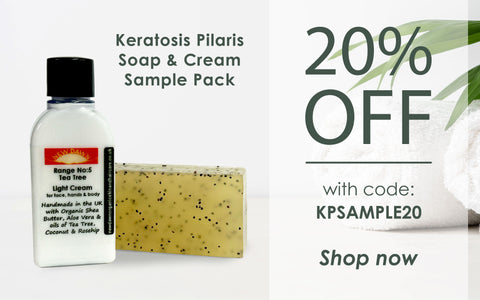
Start your journey toward smoother, healthier-looking skin today with natural tea tree solutions designed to work with your skin, not against it. Try our natural KP sample pack >
References:
- NHS. (2024). Keratosis Pilaris. Available at: https://www.nhs.uk/conditions/keratosis-pilaris/
- BAD. (2021). Keratosis Pilaris. Available at: https://www.bad.org.uk/pils/keratosis-pilaris/